

Updated : headline edited for precision.
Abstract
Maritime logistics underpins global trade yet remains structurally fragmented across physical assets, infrastructure nodes, and digital systems. This fragmentation produces inefficiencies in capacity utilization, information flow, and systemic resilience. This article examines the integrated logistics ecosystem developed by 3AM Global Logistics, a private markets platform designed to unify maritime assets, port and yard infrastructure, and digital control systems within a single governance and capital framework. Using an ecosystem-level analytical lens, the study outlines how coordinated asset control, infrastructure integration, and embedded technology layers generate compounding operational and financial efficiencies. The findings contribute to emerging literature on infrastructure ecosystems, platform logistics, and institutional capital deployment in global trade networks.
Introduction
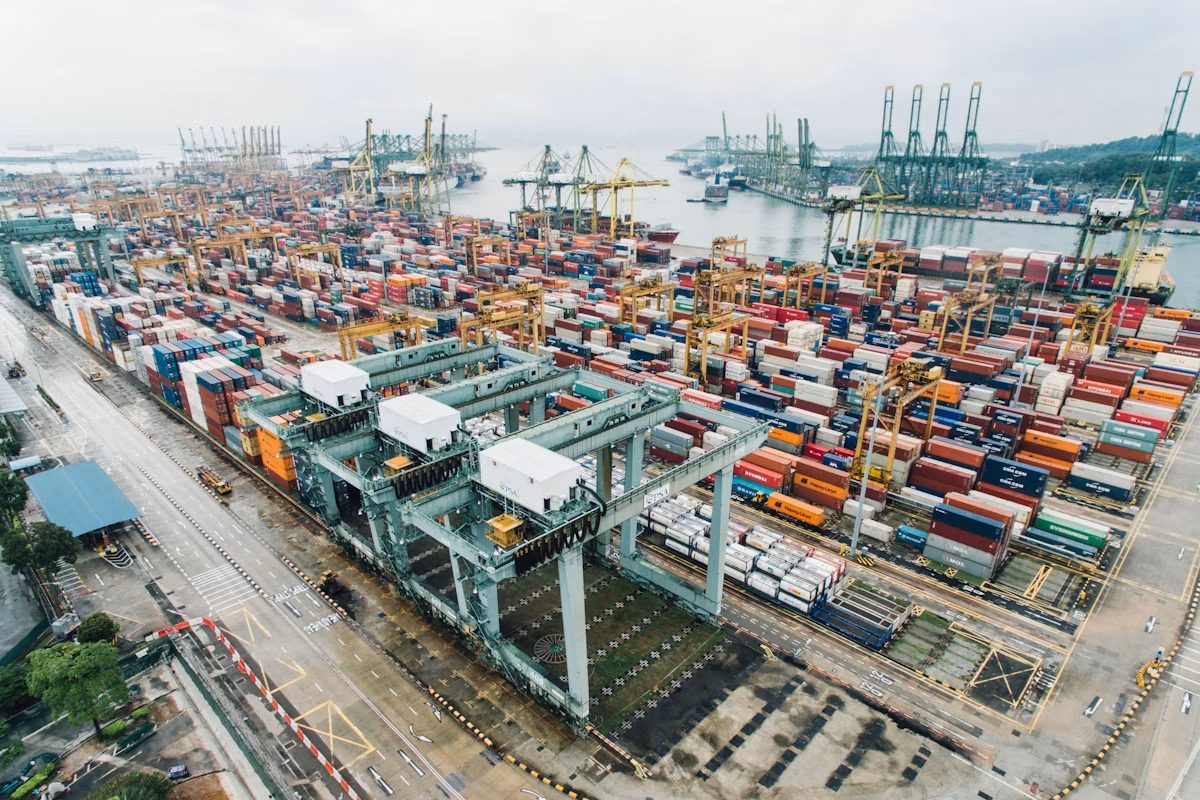
Global maritime logistics facilitates over ninety percent of international trade by volume, yet its operational structure remains highly fragmented. Shipping vessels, port terminals, yards, freight contracts, and logistics software systems are typically owned, governed, and optimized independently. This disaggregation contributes to chronic inefficiencies including port congestion, underutilized capacity, limited real-time visibility, and weak coordination during disruptions.
Conceptual Framework: Logistics as an Ecosystem
An ecosystem perspective emphasizes interdependence, complementarities, and feedback loops among system components. In logistics, this contrasts with linear supply-chain models by highlighting network effects, shared data environments, and coordinated decision-making across assets and infrastructure.
Asset Layer: Maritime Operations
The asset layer consists of container vessels and maritime assets operating on high-demand and underserved trade lanes. These assets function as system anchors, providing stable throughput, predictable cash flows, and continuous operational data streams.
Infrastructure Layer: Ports and Yards
Ports, terminals, and yards represent the principal friction points in global logistics. Integrating these nodes into the ecosystem reduces dwell time, enhances reliability, and improves coordination between sea and land operations.
Digital Control Layer
Technology within the ecosystem functions as an embedded control layer rather than a standalone SaaS product. Advanced analytics, IoT-enabled tracking, and secure transaction systems enable coordinated command across physical assets.
Capital and Governance Architecture
Institutional governance structures—including a master–feeder fund architecture, independent audit, and advisory oversight—enable disciplined capital deployment and cross-border operational coherence.
Ecosystem Dynamics and Value Creation
Value arises from interaction effects across layers. Integration produces reinforcing feedback loops that enhance asset utilization, reduce congestion, and improve predictive accuracy.
Implications for Infrastructure Investment
Integrated logistics ecosystems challenge traditional distinctions between operators, infrastructure owners, and technology providers. System-level ownership may offer superior resilience and transparency.
Conclusion
The 3AM Global Logistics ecosystem demonstrates how maritime logistics can be restructured around coordination rather than fragmentation, offering a durable organizational model for global trade infrastructure.